

Customer service automation is moving beyond scripted chatbots and simple ticket routing. By 2027, organisations will combine AI customer service, workflow orchestration, and human judgement to resolve more issues across chat, email, voice, and social channels. The biggest change will not be replacing agents; it will be giving them better context, safer recommendations, and more time for complex conversations.
Table of Contents
Why customer service automation is changing
Early automated customer support tools mainly answered frequently asked questions or assigned tickets to departments. Newer systems can interpret intent, retrieve approved information, summarise a customer’s history, and suggest the next action while an employee remains accountable.
This shift is part of a wider movement across business technology. Our coverage of no-code automation predictions for 2027 shows why accessible workflow tools matter, while our guide to developer automation strategies explains how technical teams can build more reliable processes.
Five customer service automation predictions for 2027
1. Conversations will move smoothly between AI and people
The best systems will not force customers to restart when escalation becomes necessary. An AI assistant will pass along the conversation summary, relevant account details, attempted solutions, and customer sentiment so the human agent can begin with context.
This model makes intelligent support automation more useful without pretending every problem can be solved automatically. Customers will still be able to request a person, particularly when money, safety, accessibility, or unusual circumstances are involved.

2. Voice support will become more conversational
Voice agents are likely to improve at recognising interruptions, pauses, accents, and changing intent. Instead of navigating long menus, callers may explain a problem naturally and receive either a direct answer or a fast transfer to the right specialist.
Businesses will need clear disclosures when customers are speaking with an automated system. Recording, consent, identity verification, and emergency handling should remain governed by documented policies rather than left entirely to a model.
3. Service AI will use broader business context
In 2027, customer service AI will increasingly connect with order systems, billing platforms, knowledge bases, delivery tools, and product telemetry. That context can help an assistant explain a delayed shipment or identify a likely technical fault instead of offering generic instructions.
Integration quality will matter more than flashy demonstrations. Teams should review the lessons in common developer automation mistakes before connecting sensitive systems, especially where permissions and data accuracy are concerned.
4. Personalisation will become more controlled
Personalised support can reduce repetition, but collecting every available detail is neither necessary nor wise. Future systems will increasingly use permission-aware profiles, retention limits, and customer controls to decide what information can influence a reply.
This is one of the important customer service AI trends: relevance must be balanced with privacy. Organisations should also provide a clear route for correcting inaccurate records or removing inappropriate recommendations.
5. Quality measurement will include trust
Traditional measures such as response time and resolution rate will remain useful, but they will not tell the whole story. Companies will also examine whether answers were accurate, whether escalation happened at the right moment, and whether customers understood that automation was involved.
That broader scorecard points toward the future of customer service: systems will be judged by dependable outcomes, not by how little human labour they appear to use. Readers interested in wider workflow patterns can compare these ideas with RPA predictions for 2027.
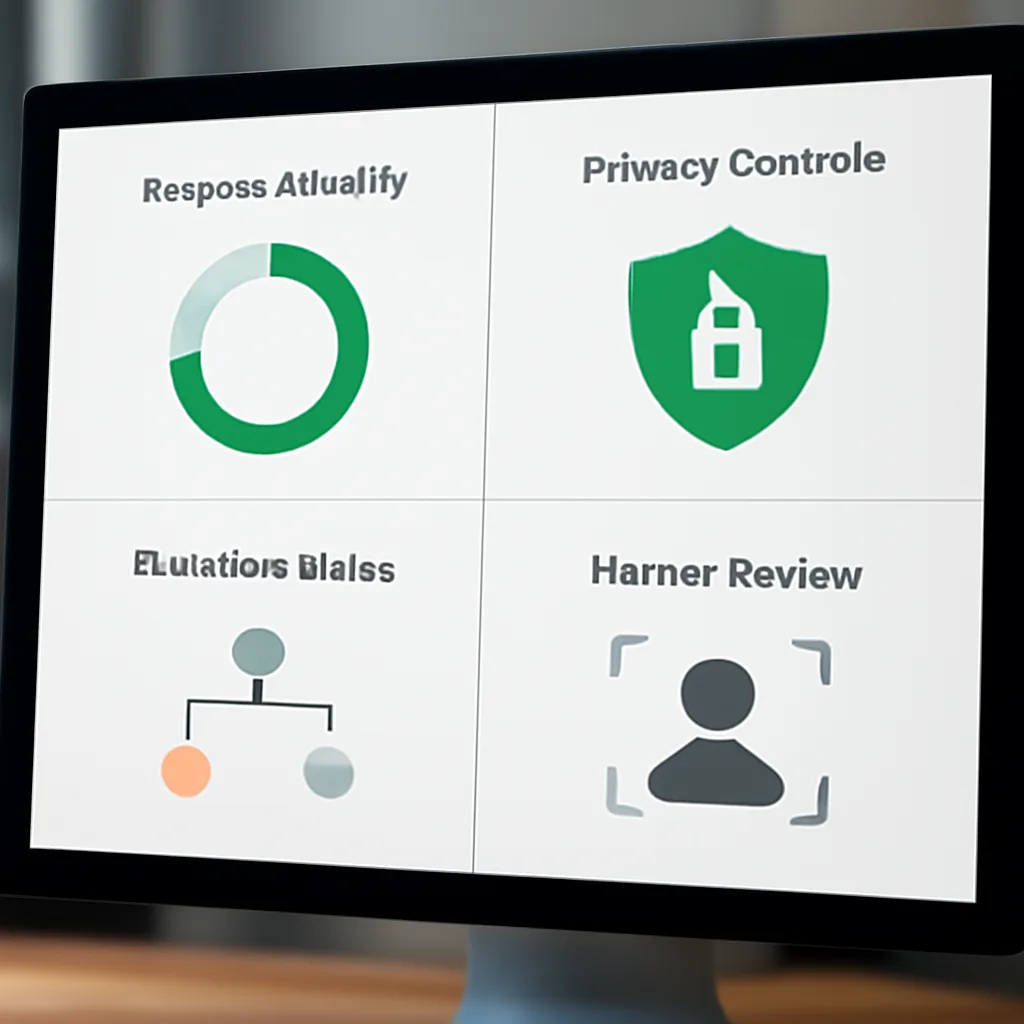
Where automation can fail
A confident but incorrect answer can be worse than a slow answer. Knowledge bases need owners, model outputs need testing, and high-impact actions should require approval or additional verification.
Teams should also plan for the equivalent of a dropped connection. When “this signal was lost” appears because an integration fails, the customer needs a visible fallback: a case number, an alternative channel, or a human callback process. Resilience is a core part of customer support automation.
Build a practical governance model
Start with narrow, well-understood tasks such as status updates, appointment changes, and internal agent assistance. Expand only after reviewing errors, complaints, accessibility needs, security findings, and escalation performance.
For implementation ideas, the article on no-code automation strategies offers a useful process perspective, while the artificial intelligence section provides broader technology context.
Key takeaways
- Customer service automation will increasingly coordinate AI and human agents.
- Voice interfaces, connected business data, and controlled personalisation will shape 2027.
- Privacy, transparency, accuracy, and graceful fallback are essential safeguards.
- Success should be measured through trust and resolution quality, not speed alone.

Frequently Asked Questions
What is customer service automation?
It is the use of software, rules, AI, and integrations to handle or assist with service tasks such as answering questions, routing cases, summarising conversations, and updating records.
Will AI customer service replace support employees?
It is more likely to change their work. Routine interactions may be automated, while employees handle exceptions, sensitive cases, relationship-building, and decisions requiring judgement.
What is the difference between automation and a chatbot?
A chatbot is one interface. Customer service automation can also include workflow triggers, agent recommendations, voice systems, knowledge retrieval, and connections to business software.
How can companies make automated customer support safer?
Use approved content, limited permissions, human escalation, monitoring, privacy controls, and regular testing with realistic customer scenarios.
What should businesses measure in 2027?
Alongside speed and resolution, measure answer accuracy, successful escalation, repeat contacts, customer understanding, privacy incidents, and agent satisfaction.
Preparing for the next phase
The strongest 2027 customer service predictions point to collaboration rather than total replacement. Businesses that treat customer service automation as an operational system—with governance, reliable data, and human oversight—will be better positioned than those that simply add a conversational interface.
Begin with one measurable use case, document its limits, and create a clear human fallback before expanding. That practical approach can turn customer service automation into a dependable improvement for both customers and support teams.
About this article
Company: Technoopia covers practical developments in artificial intelligence, automation, hardware, and business technology.
Editorial approach: Our analysis separates forward-looking expectations from established capabilities and avoids treating predictions as guarantees.
Legal and transparency: Technology outcomes vary by system design, data quality, regulation, and implementation. Readers should evaluate vendors carefully, review applicable privacy obligations, and test automation before using it in consequential customer interactions.