

Marketing automation 2027 will be defined by systems that can interpret context, make limited decisions and explain why an action occurred. The next phase is not simply about sending more emails faster. It is about coordinating data, content, sales activity and customer service while respecting consent. These marketing automation trends 2027 point toward practical AI, more adaptable workflows and stronger controls over personal information.
Table of Contents
What will shape marketing automation 2027?
Marketing teams are moving from isolated campaign tools toward connected operating systems. Customer data platforms, commerce software, CRM records and support conversations increasingly need to work together, rather than forcing staff to copy information between dashboards.
The future of marketing automation will also be judged by quality, not volume. A useful platform should recognise customer intent, pause when a person needs help and give marketers meaningful control over automated customer journeys.
Five predictions for the next phase
1. AI will become a workflow partner
AI marketing automation will move beyond subject-line suggestions and basic segmentation. Agents will be able to recommend a campaign path, identify missing information, prepare a draft and request approval before publishing.
Human oversight will remain essential for pricing, regulated claims, sensitive audiences and brand reputation. The strongest systems will make approval easy rather than pretending every decision can be delegated.
2. Journeys will respond to live behaviour
Future platforms will build journeys around signals such as product usage, service history, browsing intent and account changes. That could mean changing an onboarding sequence when a customer completes a key action, or routing a high-value lead to a specialist instead of sending another generic message.
This approach makes marketing workflow automation more useful because the workflow reflects what the customer is doing now. It also reduces the risk of continuing an irrelevant campaign after circumstances have changed.
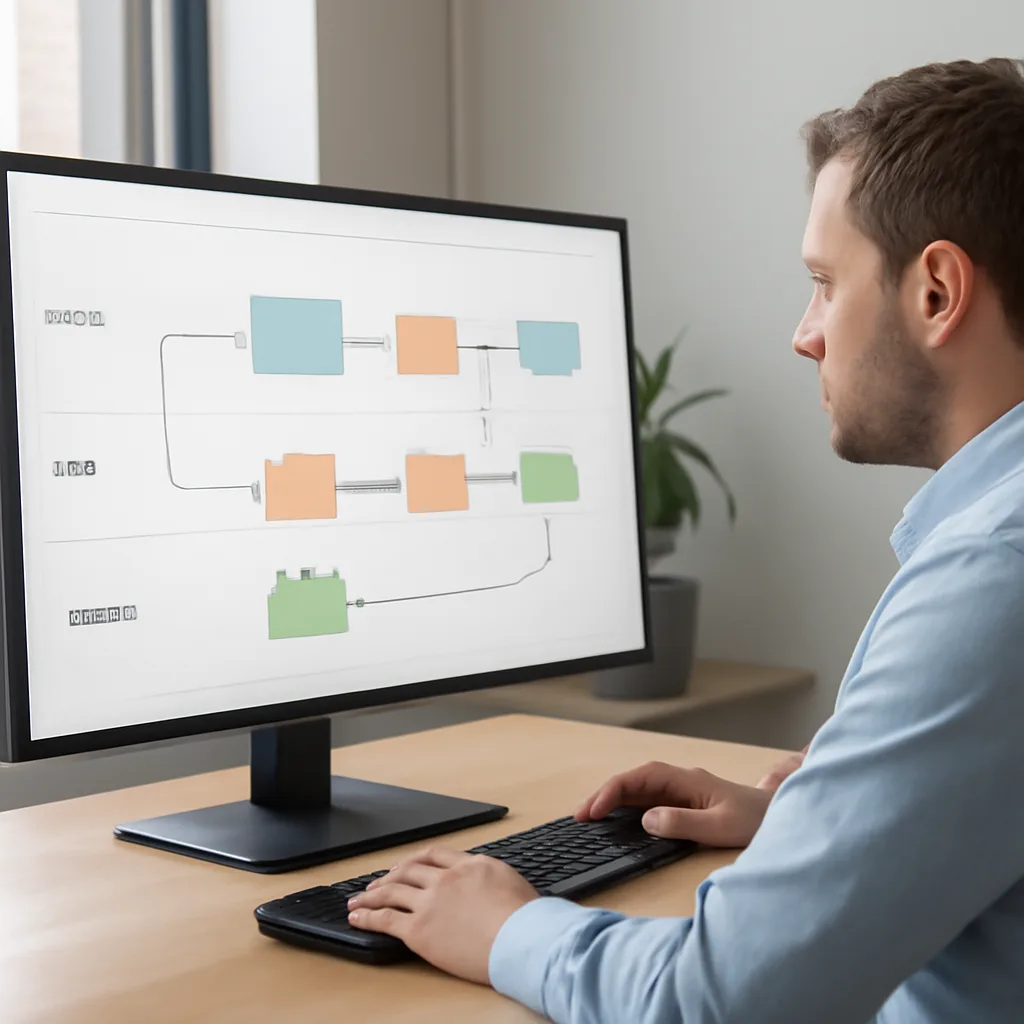
3. Privacy will become a product feature
Privacy-first marketing automation will rely less on indiscriminate tracking and more on declared preferences, first-party information and clear value exchanges. Consent records, retention rules and access controls will need to be visible inside ordinary campaign tools.
Marketers should expect more scrutiny around how models use customer data. Platforms that provide audit trails, permission settings and explainable recommendations will be easier to govern than systems built around opaque data collection.
4. No-code tools will connect more systems
No-code automation will expand from simple triggers into multi-step orchestration. A campaign might check inventory, update a CRM field, create a service task and notify a sales representative without requiring a custom application.
That convenience introduces operational risks. Teams can review the practical safeguards in this guide to common no-code automation errors, then compare them with the essential no-code automation strategies for planning and governance.
5. Measurement will focus on contribution
Attribution will become less dependent on simplistic last-click reports. Marketing automation 2027 platforms are likely to compare multiple signals, show uncertainty and connect campaign activity with retention, revenue quality and customer satisfaction.
That does not make measurement perfect. It does encourage better questions: which interaction helped a customer progress, which message caused friction and where did automation fail to provide useful assistance?
How businesses can prepare
Start with a small, valuable process rather than attempting to automate the entire customer lifecycle. Document the trigger, desired outcome, owner, exception path and data required before selecting a platform.
Next, audit the data feeding each workflow. Remove stale fields, define consent rules and decide which decisions require human approval. The 2026 no-code automation tools guide can help teams compare the types of products available, while the RPA predictions for 2027 provide useful context on broader automation developments.
| Priority | Practical question |
|---|---|
| Data quality | Is the information accurate, current and permissioned? |
| Workflow design | What happens when a customer does not behave as expected? |
| Governance | Who approves, monitors and changes the automation? |
| Measurement | Which business and customer outcomes define success? |

Key takeaways
- AI will assist with planning and execution, but important decisions still need accountable people.
- Automated customer journeys will become more responsive to real-time behaviour.
- Privacy controls and audit trails will distinguish mature platforms from risky ones.
- No-code systems will connect more business applications, increasing both speed and governance demands.
- Marketing technology predictions are most useful when tested against a specific workflow and measurable outcome.
More context for technology readers
Browse related reporting
For wider coverage of artificial intelligence and emerging technology, explore Technoopia’s artificial intelligence section or review its technology events coverage. These resources can help readers place marketing automation trends 2027 within the larger software landscape.
When an automation loses its signal
If a trigger stops working, a data field changes or consent is withdrawn, the workflow should pause safely. A visible failure message, human fallback and detailed event history are better than silently sending the wrong message.
About the publisher and its standards
Readers can learn more about the company through the Technoopia homepage. Editorial decisions should remain separate from commercial influence, claims should be checked against available evidence and corrections should be clear.
Legal and transparency notes
Automation teams should document data sources, permissions, vendor responsibilities and retention periods. Before deployment, review applicable privacy, advertising and consumer-protection obligations with qualified legal advisers.

Frequently Asked Questions
What is marketing automation 2027?
It describes the tools and practices expected to shape automated marketing during 2027, including AI assistance, real-time journeys, connected workflows and stronger privacy controls.
Will AI replace marketing teams?
AI is more likely to handle repetitive analysis and production tasks while people manage strategy, judgement, approvals, relationships and accountability.
What is privacy-first marketing automation?
It is an approach that prioritises consent, first-party data, limited collection, clear customer choices and auditable use of information.
Are no-code platforms suitable for larger companies?
They can be, provided the organisation adds permission controls, testing, monitoring, documentation and a clear owner for every important workflow.
How should companies measure automated campaigns?
Use a combination of engagement, conversion quality, retention, revenue contribution, customer feedback and error rates rather than relying on one attribution metric.
What is the best first automation project?
Choose a repeatable process with a clear customer benefit, manageable data requirements and an easy human fallback, such as onboarding reminders or qualified lead routing.
The practical path forward
Marketing automation 2027 will reward organisations that combine intelligent software with disciplined operations. Begin with one workflow, protect customer choice, test exceptions and measure whether the experience genuinely improves.
Your next action is to map a high-value customer process this week, identify its data and approval requirements, then run a controlled pilot before expanding automation across the business.