
No-code automation is moving from simple task shortcuts to intelligent systems that can coordinate work across an entire organisation. By 2027, teams may use plain-language instructions, AI-powered automation and visual workflow automation to design processes without waiting for a developer. The biggest change will not be eliminating people from workflows; it will be making business process automation easier to govern, adapt and measure.
Table of Contents
Why no-code automation is changing
Modern no-code workflow platforms already connect forms, databases, messaging services and business software through visual editors. The next generation will add stronger reasoning, better monitoring and more flexible controls, allowing non-technical staff to build useful systems while IT teams retain oversight.
For a practical starting point, explore this guide to smart no-code automation tools. It explains the current market before we look at the no-code automation trends likely to shape 2027.
Five no-code automation predictions for 2027
1. Natural language will become the first design interface
Instead of dragging every trigger and action into place, users will describe an outcome such as “route urgent customer complaints to the support lead.” The platform will suggest a workflow, identify missing permissions and ask for clarification where the instruction is ambiguous.
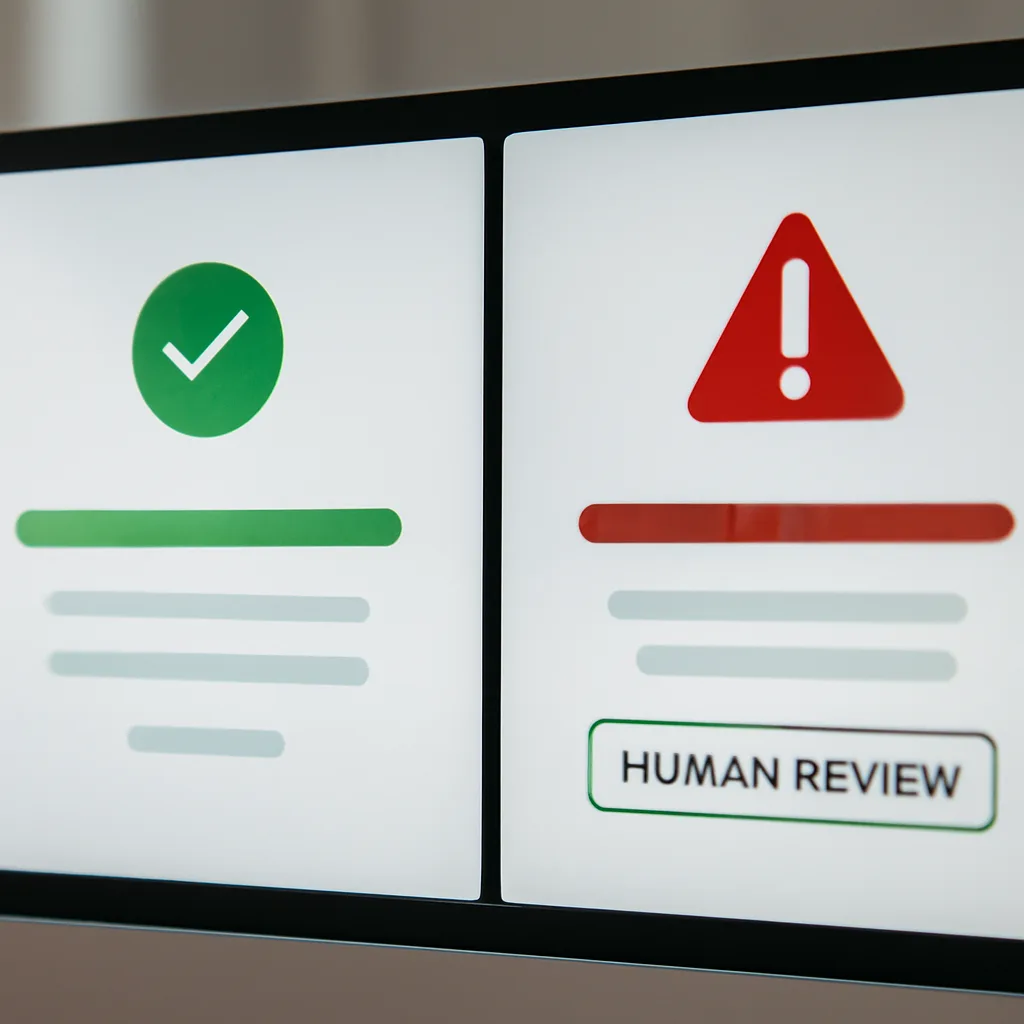
Human review will remain essential. A generated process can be technically valid yet operationally poor, especially when it handles sensitive data or makes decisions about customers.
2. AI agents will manage longer business processes
Today’s automations usually follow fixed rules. In 2027, AI agents may monitor context, select among approved actions and recover from minor exceptions, such as a changed document format or a delayed response from another service.
This will expand the future of no-code tools, but it also creates a need for boundaries. Businesses should define which actions require approval, which data an agent can access and when the system must stop rather than guess.

3. Governance will move into the builder itself
Security checks will increasingly appear while a workflow is being created. Builders may warn about excessive access, unencrypted transfers, duplicate records or retention rules before the process goes live.
That approach is more effective than treating governance as a final inspection. The NIST AI Risk Management Framework offers useful principles for thinking about trustworthy AI systems, including risk identification and ongoing evaluation.
4. Automation marketplaces will become more important
Teams will not always start with an empty canvas. Vendors, consultants and software communities are likely to publish reusable workflow templates for onboarding, finance approvals, reporting and customer service.
Templates can save time, but buyers should inspect the permissions, data paths and maintenance requirements. Our guide to common no-code automation mistakes is a helpful checklist before importing a ready-made process.
5. Measurement will matter as much as creation
The best platforms will show whether an automation is actually improving work. Expect clearer dashboards for processing time, failure rates, human intervention, cost and customer outcomes.
This shift will separate useful business process automation from impressive demonstrations. Leaders should connect every workflow to a measurable goal, then review it regularly as systems, regulations and business priorities change.
When an automated process loses its way
More capable automation brings more serious failure modes. A broken connection, incorrect AI interpretation or poorly scoped permission can spread an error across many records before anyone notices.
Teams should begin with a narrow process, create an audit trail and provide a manual fallback. The recommendations in these no-code automation strategies can help organisations move from experimentation to dependable implementation.
IT departments will also need an inventory of workflows, owners for each process and clear retirement rules. A forgotten automation can become a security risk even when the original creator has left the company.
How organisations can prepare now
Start by documenting repetitive work and ranking it by business value, risk and complexity. Choose processes with stable inputs and clear outcomes before attempting workflows that involve sensitive decisions.
Next, give employees basic training in data handling, testing and exception management. Reading the latest no-code automation trends is useful, but practical testing will reveal more about whether a platform fits your team.
| Priority | Useful question |
|---|---|
| Value | Does this remove avoidable manual effort or improve service? |
| Risk | What happens if the workflow makes a wrong decision? |
| Control | Can a person review, pause or reverse the result? |
| Ownership | Who maintains the process after launch? |
For related coverage, browse technology events and listen to relevant discussions through the site’s podcast collection. These sources can add context beyond vendor marketing.
Key takeaways
- No-code automation will become more conversational and capable by 2027.
- AI agents may handle exceptions, but approval rules and human oversight remain vital.
- Built-in governance, monitoring and audit trails will become buying criteria.
- Reusable templates can speed adoption, provided teams check permissions and data flows.
- The strongest automation predictions 2027 are centred on measurable outcomes, not novelty.
Frequently Asked Questions
What is no-code automation?
It is the creation of digital workflows through visual builders and configuration rather than traditional programming. Users connect services, define rules and set actions through forms or diagrams.
Will no-code platforms replace developers?
Usually, no. They can reduce demand for routine integrations, while developers remain important for architecture, security, custom software and complex data work.
How will AI-powered automation differ in 2027?
It is likely to interpret natural-language instructions, recommend workflow steps and handle limited exceptions. Organisations will still need controls to prevent unsafe or unexpected actions.
What is visual workflow automation best suited to?
It works well for repeatable processes such as approvals, notifications, data synchronisation, onboarding and scheduled reporting.
Is no-code automation secure?
Security depends on the platform, configuration and governance around it. Review access permissions, logging, vendor controls and data-retention policies before deployment.
How should a business choose a no-code workflow platform?
Compare integrations, administration, pricing, audit features, AI controls, support and export options. Test a real process rather than relying only on a product demonstration.
The practical path to 2027
The future of no-code tools will be defined by trust as much as convenience. Organisations that combine AI-powered automation with careful permissions, measurable goals and human accountability will gain the most value.
Your next step is simple: select one repetitive process, document its current risks and test a small workflow with a clear owner. That disciplined approach turns no-code automation from a prediction into a practical advantage.
About this publication
Explore our technology coverage
Use the publication’s search tools to find reporting across artificial intelligence, laptops, cybersecurity and cloud computing. We aim to make complex technology easier to evaluate.
Editorial, legal and transparency standards
Our editorial approach separates analysis from promotion, while legal and transparency information explains how content is produced, reviewed and disclosed. If a page does not load or a signal appears missing, return to the main technology index and try the search function again.